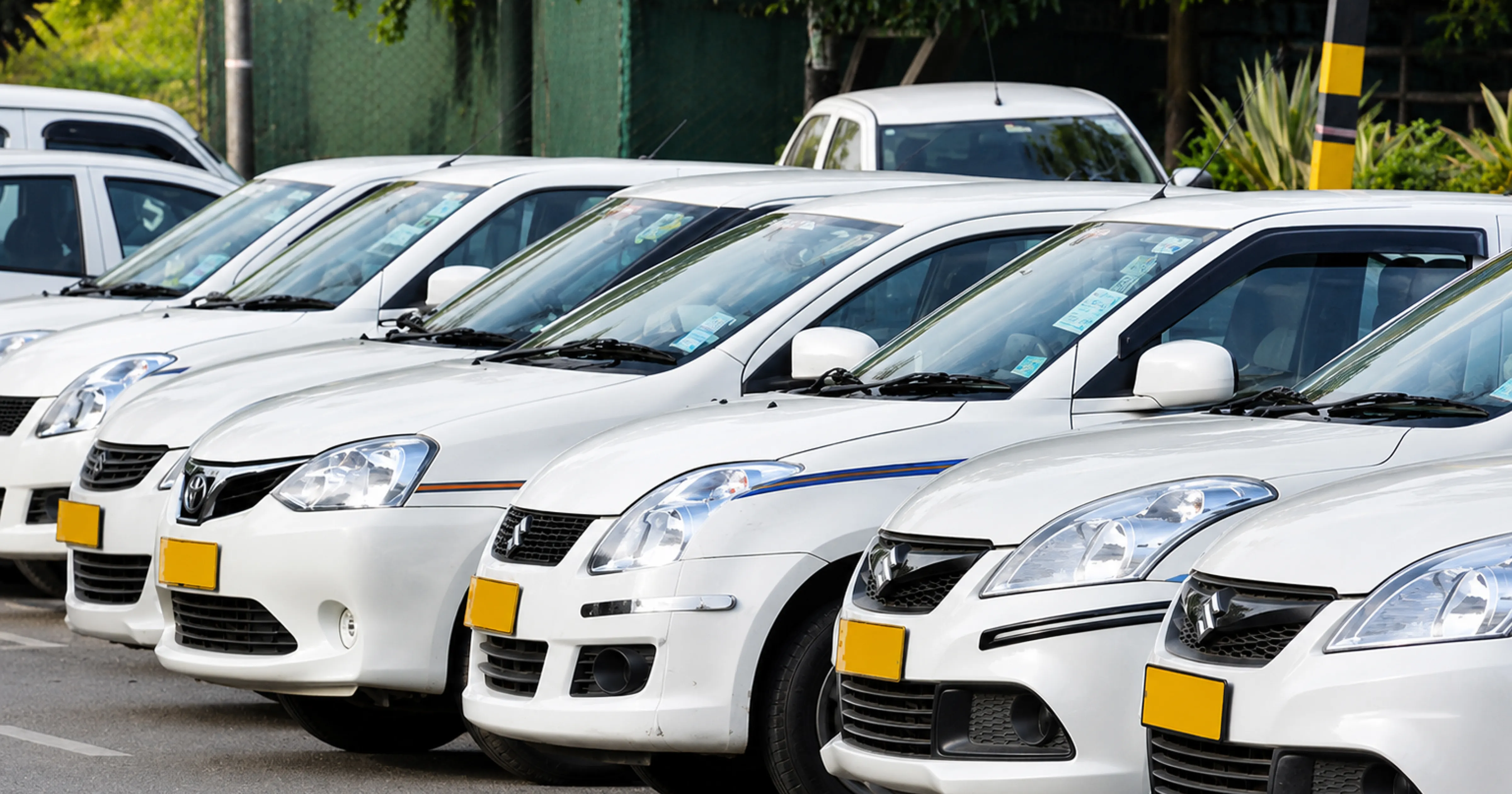
On 7 February 2026, cab drivers across Delhi, Mumbai, Bengaluru and Hyderabad went on a coordinated strike. Organised by gig worker unions demanding regulated minimum fares, the strike pulled a significant share of Ola, Uber and Rapido cabs off the road simultaneously. What happened next was predictable to anyone who has watched cab pricing for the last decade — with fewer cabs available, surge pricing in affected cities reportedly reached up to 5 times normal fares. A ride that costs ₹200 on a normal Tuesday became ₹1,000 for commuters who had no alternative. This was not an isolated event. It was the latest visible symptom of a pricing model that has been quietly pushing more and more people in Chennai and Bangalore toward self drive car rental — and toward MM Miles specifically, where the price has stayed at ₹799/day regardless of what is happening with cab availability anywhere in the city.
Why Cab Fares Keep Rising - The Real Reasons
Cab pricing in Chennai and Bangalore is not random. It reflects structural pressures that have been building for years and are now visibly affecting what commuters pay.
1. Surge Pricing Is the Single Biggest Complaint - and It Is Getting Worse
A LocalCircles survey of over 10,000 Bangalore residents on app-based taxi services found that 78% of Ola users and 54% of Uber users cited surge pricing or overall expense as their top complaint. This was not a fringe issue — it was the single most common grievance across thousands of respondents. Surge pricing works by raising fares automatically when demand exceeds available cabs — Monday morning office rush, Friday evening, rainy days, festival nights. The exact moments when commuters most need a ride reliably are the moments when the price increases most.
2. Regulation Exists — But Is Not Consistently Enforced
Surge pricing has faced legal challenges for years. The Karnataka High Court has ruled that surge pricing should benefit the driver, not the aggregator, under the Karnataka On-demand Transportation Technology Aggregators Rules 2016. Despite this, reports continue to document fares significantly above the government-stipulated rate — a 6 km app-based ride from MG Road to Indiranagar during evening rush was reported at ₹201, or ₹33.5 per km, against a stipulated rate of ₹30 for the first 2 km and ₹15 per subsequent km. The gap between the regulated fare and the actual fare charged remains a persistent issue across both Chennai and Bangalore.
3. Driver Strikes Are Becoming More Frequent - And They Spike Prices Instantly
The February 2026 nationwide strike was organised by the Telangana Gig and Platform Workers Union with support from labour unions across multiple states. Drivers demanded a regulated minimum fare and better working conditions, citing that surge pricing algorithms and lack of regulatory clarity left them unable to earn reasonable incomes. When a significant share of drivers stay off the road simultaneously - as happened on 7 February 2026 - the remaining cab supply faces immediate demand pressure and surge pricing activates across the board. Commuters who had no advance warning found themselves paying multiples of the normal fare with no alternative available at short notice.
4. Driver Earnings Squeeze Pushes Costs Toward Riders
Cab drivers in Chennai have protested platform commission structures, with one Bangalore driver describing a ₹200 ride that left him with only ₹110 after deductions - a real-world deduction significantly higher than the headline commission percentages platforms publicly state. When driver earnings are squeezed, the pressure shows up somewhere — either in driver availability (fewer drivers willing to work, leading to longer wait times and more surge activations) or eventually in fare structures designed to maintain platform margins. Either way, the commuter experiences it as rising or unpredictable costs.
The Migration to Self Drive - Why It Is Happening Now
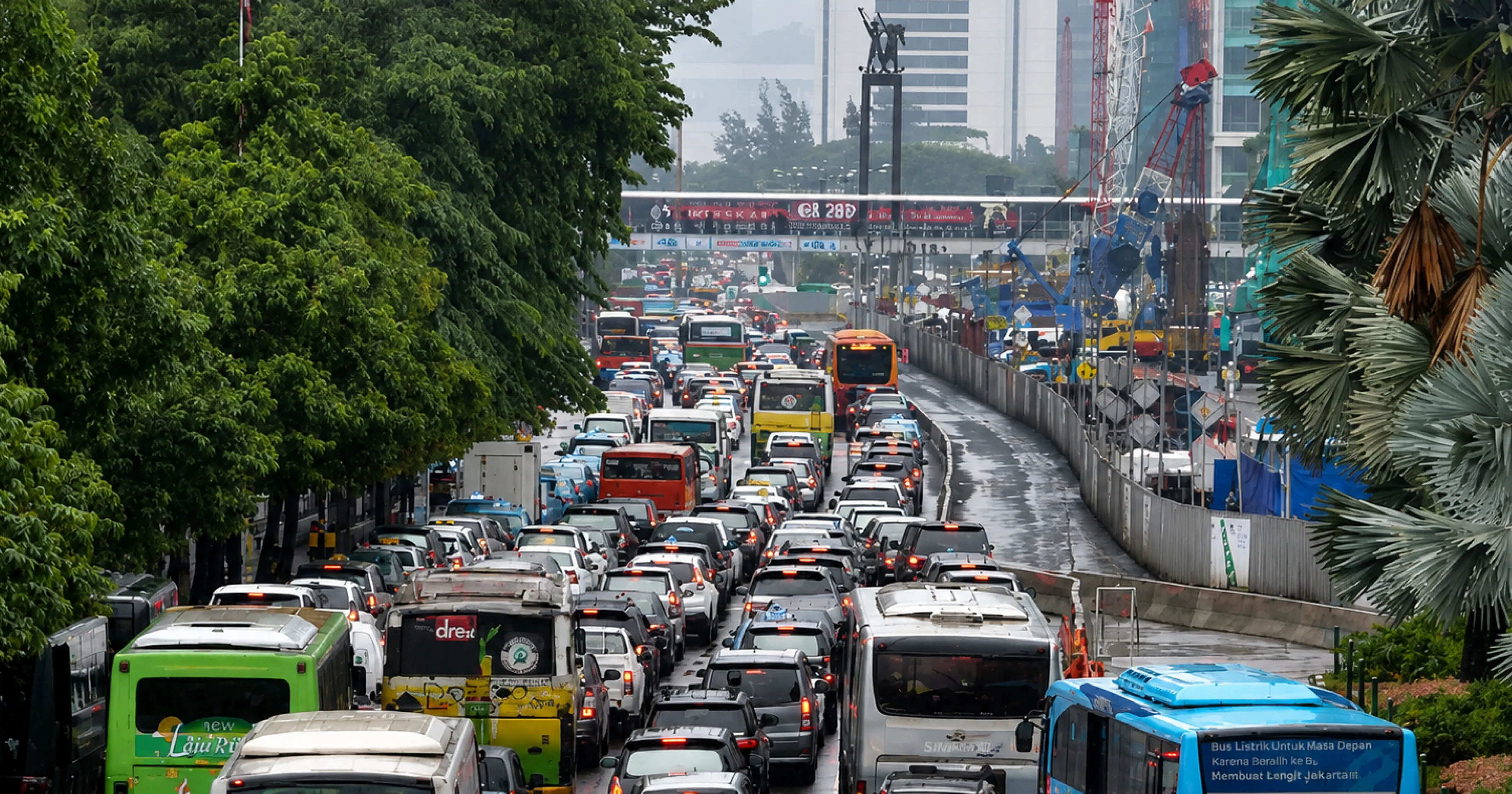
Self drive car rental has existed in India for over a decade, but 2026 is the year it has stopped being a niche choice for road trips and started becoming a genuine daily commute alternative for a meaningful number of Chennai and Bangalore residents. The reasons map directly onto the cab pricing problems above.
Cost Predictability - Knowing the Price Before You Need It
The single biggest advantage of self drive over cabs is that the price is known in advance and does not change based on demand, weather, time of day or driver availability. A self drive car at ₹799/day or a monthly rental at ₹15,999 is the same number whether it is a calm Tuesday or the day after a nationwide driver strike. For someone commuting in OMR or Whitefield, this predictability compounds — 22 working days of cab rides at unpredictable surge multiples versus one fixed monthly number is not a small difference, it is the difference between budgeting confidently and not knowing what next week will cost.
Reliability - No Cancellations, No Waiting
Driver cancellations during peak hours are one of the most common cab complaints in Bangalore — drivers cancelling rides that do not meet their preferred routes or surge thresholds, leaving commuters waiting and re-booking, often at a higher fare the second time. A self drive car eliminates this entirely. It is in your parking spot. It does not cancel. It does not depend on whether a driver finds your trip worthwhile that morning.
Flexibility - Multiple Stops, Your Schedule
A self drive car allows multiple stops without negotiating with a driver or paying for waiting time. Drop the kids at school, stop for groceries, reach the office - all in one trip with one vehicle, at one fixed daily cost. For weekend use, the same car that handled the Monday commute takes you to Pondicherry or Coorg with unlimited km and no additional booking.
The Real Cost Comparison - Cab vs Self Drive for a Month
Here is the honest monthly comparison for a Chennai or Bangalore IT professional commuting 20 km each way, 22 working days a month:
| Scenario | Estimated monthly cost | Notes |
|---|---|---|
| Cab — no surge (best case) | ₹13,000–₹16,000 | Rarely achievable — assumes zero surge for 44 trips |
| Cab — with typical surge (realistic) | ₹18,000–₹26,000 | Accounts for 1.5-2x surge on a portion of peak-hour trips |
| Cab — during driver strike days | ₹30,000+ | Surge up to 5x reported during Feb 2026 strike |
| MM Miles monthly rental (hatchback) | ₹15,999 | Flat — zero deposit, unlimited km, no surge ever |
| MM Miles monthly rental (Creta) | ₹22,999 | Flat — covers commute plus weekend trips with unlimited km |
Even at the cab's best-case scenario with zero surge - which is rarely the reality for daily commuters — the MM Miles hatchback monthly rental is comparable or cheaper, while the Creta monthly rental adds the ability to use the same car for weekend trips to Pondicherry, Yercaud or Coorg at no extra cost. Under realistic surge conditions, self drive is meaningfully cheaper. During strike days or unusual demand spikes, the gap becomes dramatic.

Why MM Miles Specifically Has the Lowest Price
Within the self drive market itself, prices vary significantly across platforms - and the reasons connect to the same structural issues affecting cab pricing. Marketplace platforms with 30-45% host commissions need to price rentals high enough to be profitable after that commission. Platforms collecting security deposits of ₹2,000-5,000 tie up customer money that functions as float for the company. Platforms with dynamic pricing apply the same surge logic that frustrates cab users — the same car costs more on Saturday than Tuesday.
| Why MM Miles is lowest | What it means |
|---|---|
| 20% commission cap on hosted cars | Lower platform overhead than 30-45% competitors — passes through as lower rental prices |
| Zero security deposit | No customer money tied up — removes a cost structure other platforms build into pricing |
| No dynamic pricing — flat 365 days | ₹799/day on Saturday is the same as Tuesday — no surge logic anywhere in the pricing |
| GST included in displayed price | ₹799 is the complete price — no checkout surprise that effectively raises the real cost |
| Directly owned fleet | No marketplace matching inefficiency — operational costs are predictable and controlled |
The connection between cab pricing problems and self drive pricing problems is the same root cause — demand-based pricing models that increase costs exactly when customers need the service most, and commission or deposit structures that add hidden costs beyond the headline price. MM Miles was built specifically to avoid both. The result is ₹799/day, every day, with nothing added at checkout.
For official information on cab fare regulations visit the Karnataka Transport Department and the Ministry of Road Transport and Highways at morth.nic.in. For consumer complaints regarding ride-hailing fare practices visit the National Consumer Helpline at consumerhelpline.gov.in under the Consumer Protection Act 2019.
Tired of surge pricing and cancelled cabs in Chennai? MM Miles - ₹799/day flat, zero deposit, unlimited km, no surge ever. Home delivery across all Chennai areas.
Book Self Drive Car in ChennaiSwitch from cabs to self drive in Bangalore. Same price every day - Saturday, Monday, strike days or otherwise. Home delivery to Whitefield, Koramangala, HSR Layout and all areas.
Book Self Drive Car in Bangalore